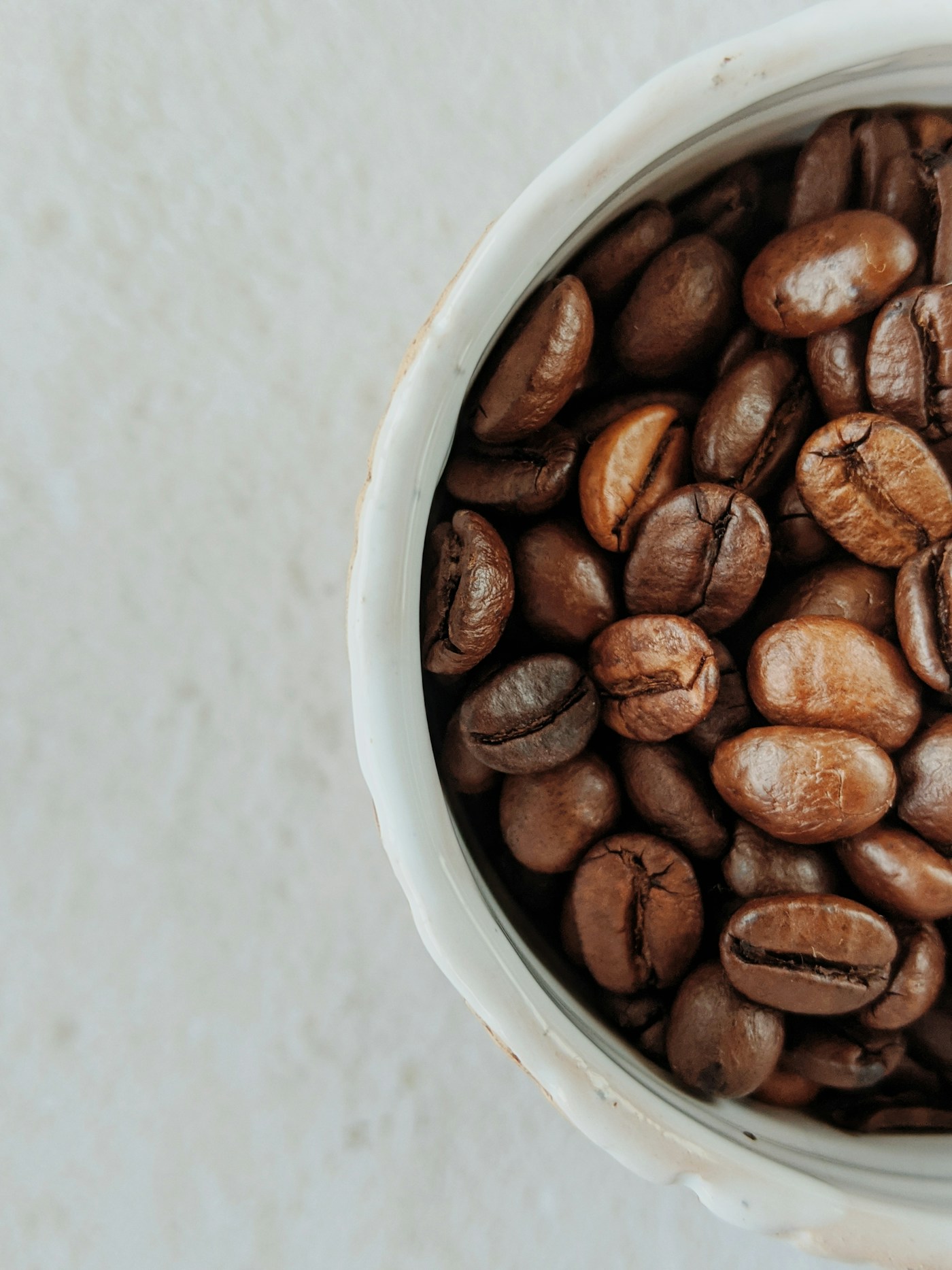
Hawaii is one of the few coffee-producing regions in the world with a formal, state-enforced grading system. Every lot of 100% Kona coffee sold legally must be graded under standards set by the Hawaii Department of Agriculture. The grade determines the bean size, the defect tolerance, and, for buyers who know how to read it, a meaningful signal about cup quality and roasting consistency.
Understanding Kona coffee grades before you place an order saves time and sets accurate expectations. This guide covers each grade, what the specifications mean in practical terms, and which buyers typically work with which grades.
How the Grading System Works
Kona coffee is graded on two primary criteria: screen size and defect count per 300 grams of green beans. Screen size refers to the mesh size a bean passes through, measured in 1/64-inch increments. A Screen 19 bean is 19/64 of an inch in diameter. Larger beans are generally more consistent in density and roast more evenly.
Defect count measures the number of physical flaws in a 300g sample. Defects include broken beans, insect damage, black beans, and other visual imperfections. A lower defect count means a cleaner, more consistent lot.
Grading happens after processing. The dried parchment coffee is milled, sorted on a gravity table, and run through screens. Lots are then sampled, defect-counted, and assigned a grade before they can legally be sold as a specific grade of Kona.
The Six Kona Coffee Grades
Extra Fancy
Screen 19 or larger. Maximum 10 defects per 300g. This is the highest grade under Hawaii state standards. Extra Fancy beans are the largest and most visually uniform. The low defect tolerance makes these lots the most consistent for roasters running single-origin programs where cup clarity and batch-to-batch repeatability matter. Extra Fancy allocation from most farms is limited and fills early in the season.
Fancy
Screen 18 or larger. Maximum 16 defects per 300g. Fancy is a step below Extra Fancy in bean size and defect tolerance but still a premium grade. For roasters who want the quality profile of a top-tier Kona without the Extra Fancy price point, Fancy is a practical choice. The cup quality difference from Extra Fancy is small and most roasters find Fancy performs well for their programs.
No.1
Screen 16 or larger. Maximum 20 defects per 300g. No.1 is the middle grade and represents the broadest range of bean sizes within a standard Kona lot. It is the most common grade for wholesale buyers sourcing Kona for blending programs or for products where the Kona percentage is a component rather than the sole origin. No.1 is also the grade most frequently available in larger volumes.
Select
Screen 15 or larger. Maximum 25 defects per 300g. Select grade is below the upper three grades in bean size and defect tolerance. It is less commonly available from estate farms and more frequently found in co-op or mill-aggregated lots. Buyers using Select grade typically blend it with other origins.
Prime
Screen 14 or larger. Maximum 25 defects per 300g. Prime is the lowest named grade for Kona green coffee. It is rarely marketed as a single-origin product and is primarily used in blends or roasted at commodity scale.
Peaberry
Peaberry is not a size grade. It is a separate category for a specific bean type. Normally, a coffee cherry contains two flat-sided beans that develop face-to-face inside the fruit. Occasionally, only one seed develops, resulting in a round, dense, oval bean. These are sorted out and sold separately as Peaberry.
Peaberry beans make up roughly 3 to 7 percent of a harvest. Because of their shape, they roll evenly in the roasting drum and roast consistently. Many roasters and buyers prize Peaberry for its distinct roast profile and density of flavor. It commands a premium and typically sells out before Extra Fancy does.
"Extra Fancy and Peaberry fill first every season. Roasters who want guaranteed allocation contact the farm before harvest peaks in September."
Which Grade Is Right for Your Program?
The answer depends on what you are using the coffee for and what your buyers expect.
- Single-origin roasters — Extra Fancy or Peaberry. The documentation, visual consistency, and cup clarity support premium retail pricing and competition-level roasting.
- Wholesale and foodservice — Fancy or No.1. Strong quality profile at a more accessible price point. Good for consistent supply relationships with hotels, cafes, and restaurants.
- Private label programs — Fancy or No.1 for standard products, Extra Fancy for premium SKUs. The grade should match the retail price point and the story you are telling on the label.
- Blending — No.1 or Select. When Kona is one component in a blend, the grade matters less than availability and price.
What Lot Documentation Covers
When you buy a graded lot from a certified farm, the documentation should tell you the farm name and address, the harvest date range, the processing method, the grade assigned, and the lot number. This is the paper trail that makes a Kona offering verifiable and gives your marketing claim legal grounding.
Kona Volcano Farm documents every lot at the picking date level. The lot number on your shipment connects to a specific harvest cycle, fermentation batch, and drying run on this property at 84-4956 Hawaii Belt Rd in Captain Cook.
Kona Coffee Grade Consistency Season to Season
One practical question buyers have when sourcing Kona is how consistent grade quality is across harvests. The answer depends on the farm and the season. Grading standards are fixed by Hawaii state law: Extra Fancy is always Screen 19+ with a maximum 10 defects per 300g, regardless of what year the coffee was grown. The standard does not change.
What does vary is the percentage of each harvest that reaches each grade. A dry year or a season with irregular rainfall can reduce the proportion of Extra Fancy in the harvest because bean development is less uniform. A normal year with consistent cloud cover and rainfall in the Kona belt produces more even bean development and a higher percentage of top-grade lots.
For buyers who need consistent grade across seasons, the practical response is to work with a farm that documents its harvest results year over year and communicates early in the season about what grades are available and in what volumes. At Kona Volcano Farm, we can tell you before harvest what the crop looks like and which grades are likely to have strong allocation.
How Kona Coffee Grades Compare to Other Specialty Coffee Grading Systems
Hawaii's grading system for Kona coffee is distinct from the SCA (Specialty Coffee Association) cupping score system used for most other specialty coffees. SCA grading rates the roasted and brewed coffee on sensory criteria: aroma, flavor, aftertaste, acidity, body, balance, and defects in the cup. A score of 80 or above qualifies as specialty grade.
Kona coffee grades, by contrast, are applied to the green bean before roasting, based on physical criteria: screen size and defect count. A Kona Extra Fancy lot can also score well on SCA criteria, but those are independent assessments. The state grade tells you about the physical integrity and size consistency of the lot. The SCA score tells you about the sensory experience of a specific roast.
Sophisticated buyers use both systems. The state grade gives you a baseline guarantee about the bean's physical quality. Cupping the lot at your roast profile tells you whether the flavor is what your program needs. Most specialty roasters who work with Kona use the state grade to shortlist lots and cupping to make the final sourcing decision.
Frequently Asked Questions
What are the Kona coffee grades in order from best to lowest?
Extra Fancy, Fancy, No.1, Select, Prime, with Peaberry as a separate category. Extra Fancy has the largest screen size and lowest defect count. Prime has the smallest minimum screen size and highest defect tolerance.
Is Peaberry better than Extra Fancy Kona coffee?
They are different, not ranked against each other. Extra Fancy is the highest flat-bean grade by Hawaii state standards. Peaberry is a separate bean type valued for its density and roast consistency. Many buyers prefer one or the other based on their roasting style and program.
How do I know which Kona coffee grade to order for my roastery?
Extra Fancy and Peaberry are the standard choices for single-origin specialty programs. Fancy and No.1 work well for wholesale and blending programs. Contact us at sales@konavolcanofarm.com to discuss which grade fits your volume and program.
Can I get samples of different Kona coffee grades before ordering?
Yes. Kona Volcano Farm provides green bean samples to roasters evaluating grades before committing to a lot. Contact us at sales@konavolcanofarm.com.
All Grades Available Farm-Direct
Kona Volcano Farm supplies Extra Fancy, Peaberry, Fancy, and No.1 with full Hawaii state certification and lot documentation on every shipment. Request a sample before committing.